Learn how to write reusable code and organize programs efficiently
Introduction
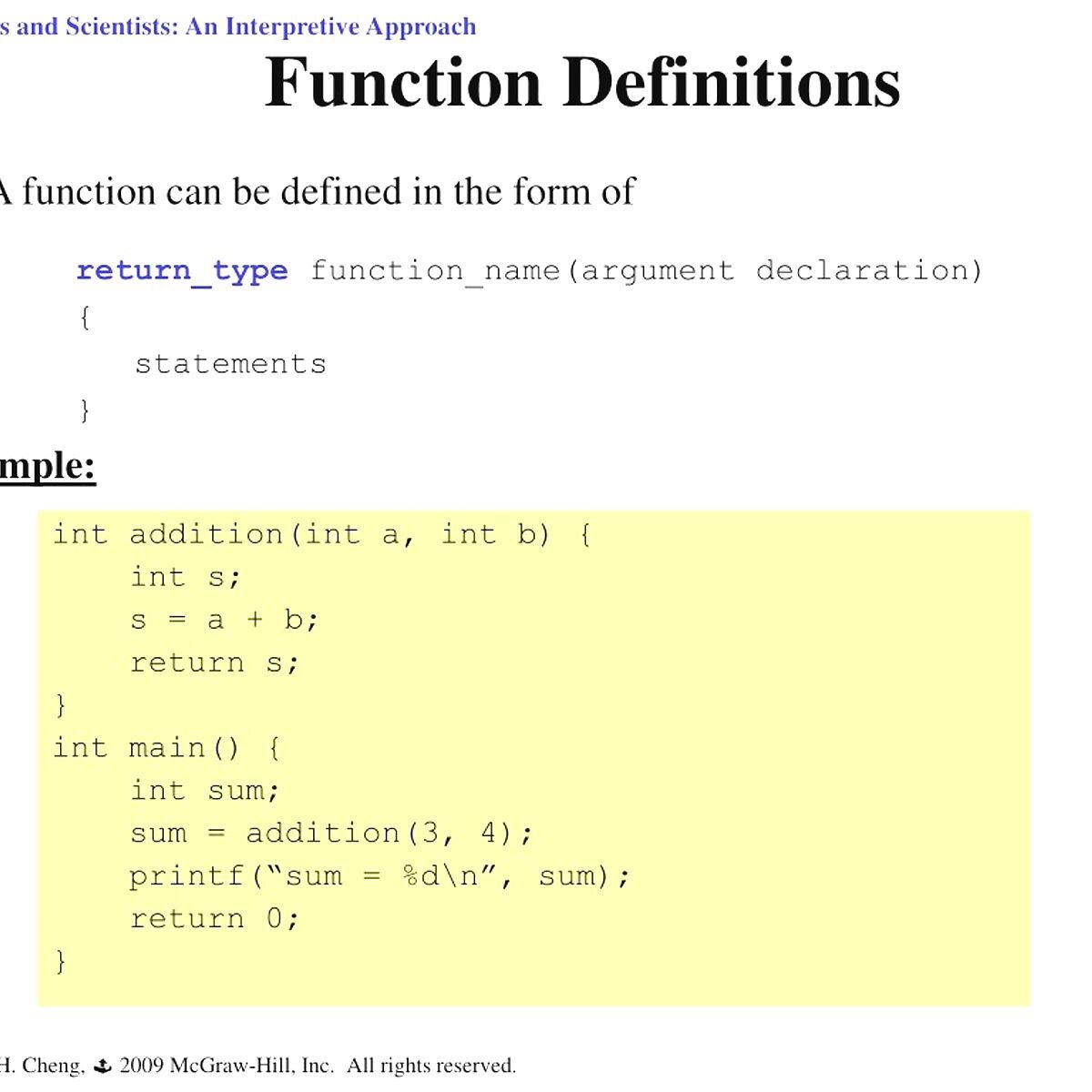
Functions help you write reusable blocks of code, making programs easier to understand, maintain, and scale. Modular programming allows dividing programs into separate modules, improving clarity and collaboration.
Functions आपको कोड के पुन: प्रयोज्य ब्लॉक लिखने में मदद करते हैं, जिससे प्रोग्राम समझने, बनाए रखने और बढ़ाने में आसान होते हैं। Modular Programming प्रोग्राम को अलग-अलग मॉड्यूल में विभाजित करने की अनुमति देता है, जिससे स्पष्टता और सहयोग बेहतर होता है।
Functions & Modular Programming Overview
Understand why reusable code is important.
Learn how modules improve code organization.
समझें कि पुन: प्रयोज्य कोड क्यों महत्वपूर्ण है।
जानें कि मॉड्यूल कोड संगठन में कैसे मदद करते हैं।
Tutorials: Functions & Modular Concepts
Learn step-by-step how to create functions, pass parameters, return values, and organize code into modules for better structure.
स्टेप-बाय-स्टेप सीखें कि कैसे functions बनाएं, parameters पास करें, values return करें, और code को बेहतर structure के लिए modules में organize करें।
Define functions to perform specific tasks.
Use parameters to pass data into functions.
Return values to use function results elsewhere.
Organize multiple functions into separate modules.
विशिष्ट कार्य करने के लिए functions परिभाषित करें।
Data पास करने के लिए parameters का उपयोग करें।
Results वापिस पाने के लिए return values का उपयोग करें।
कई functions को अलग-अलग modules में organize करें।
Courses & Concepts
From beginner to advanced programming, mastering functions and modular design is crucial for building efficient software and scalable AI programs.
Beginner से advanced programming तक, functions और modular design में महारत हासिल करना कुशल software और scalable AI programs बनाने के लिए आवश्यक है।
Understand function scope, recursion, and parameter passing.
Learn modular design to keep projects organized.
Function scope, recursion, और parameter passing को समझें।
Projects को organized रखने के लिए modular design सीखें।
Exercises
Practice creating functions, passing arguments, returning values, and combining modules. Examples include simple math functions, string manipulations, and conditional functions.
Functions बनाने, arguments पास करने, values return करने, और modules combine करने का अभ्यास करें। उदाहरणों में simple math functions, string manipulations, और conditional functions शामिल हैं।
Write a function to calculate the area of a rectangle.
Create a function to reverse a string.
Combine multiple functions into a module for a mini calculator.
Rectangle का area calculate करने के लिए function लिखें।
String reverse करने के लिए function बनाएं।
Mini calculator के लिए multiple functions को module में combine करें।
Practical Projects
Hands-on projects help solidify learning. Build text-based interactive programs, mini-games, or reusable modules for larger AI applications.
Hands-on projects सीखने को मजबूत करते हैं। Text-based interactive programs, mini-games, या reusable modules बड़े AI applications के लिए बनाएं।
Create a simple text-based quiz using functions.
Develop a mini-game like tic-tac-toe using modular functions.
Organize utility functions into reusable modules.
Functions का उपयोग करके सरल text-based quiz बनाएं।
Modular functions का उपयोग करके mini-game जैसे tic-tac-toe बनाएं।
Utility functions को reusable modules में organize करें।
Interactive Python & Java Demo
Switch between Python and Java code using the buttons below. You can also listen to explanations in English or Hindi.
नीचे दिए बटन से Python और Java कोड के बीच स्विच करें। आप English या Hindi में एक्सप्लनेशन भी सुन सकते हैं।
# Python Demo
name = "Raushan"
age = 20

def greet(user, years):
    if years < 18:
        print(f"Hello {user}, you are too young! 😄")
    else:
        print(f"Hello {user}, welcome! 🚀")

greet(name, age)

for i in range(1,6):
    print(f"{i} is {'even' if i%2==0 else 'odd'}")

def square(n):
    return n*n
// Java Demo
public class DemoJava {
    public static void main(String[] args) {
        String name = "Raushan";
        int age = 20;
        greet(name, age);
        for(int i=1;i<=5;i++){
            System.out.println(i + " is " + ((i%2==0)?"even":"odd"));
        }
        for(int i=1;i<=5;i++){
            System.out.println("Square of " + i + " is " + square(i));
        }
    }
    public static void greet(String user,int years){
        if(years<18) System.out.println("Hello "+user+", too young! 😄");
        else System.out.println("Hello "+user+", welcome! 🚀");
    }
    public static int square(int n){ return n*n; }
}
Switch easily between Python and Java demos.
TTS explanation available in English & Hindi.
Beginner-friendly interactive practice.
Python और Java डेमो के बीच आसानी से स्विच करें।
TTS English और Hindi में उपलब्ध।
शुरुआती लोगों के लिए इंटरैक्टिव अभ्यास।
Conclusion
Mastering functions and modular programming is essential for writing clean, maintainable, and scalable code. Regular practice, exercises, and practical projects ensure strong programming foundations.
Functions और modular programming में महारत हासिल करना clean, maintainable और scalable code लिखने के लिए आवश्यक है। नियमित अभ्यास, exercises और practical projects मजबूत programming foundations सुनिश्चित करते हैं।